
Reinforced concrete is a widely used construction material that combines the strength of concrete with the tensile strength of steel reinforcement. This composite material has become a staple in modern construction due to its durability, versatility, and cost-effectiveness. However, understanding the strengths, limitations, and structural nuances of reinforced concrete is essential for architects, engineers, and builders. This article aims to demystify reinforced concrete and provide insights into its applications and considerations.
1. The Composition of Reinforced Concrete
A. Concrete
Concrete is a mixture of cement, water, aggregates (sand and gravel), and sometimes additives. It is known for its compressive strength, making it an ideal material for structural elements such as beams, columns, and slabs.
B. Steel Reinforcement
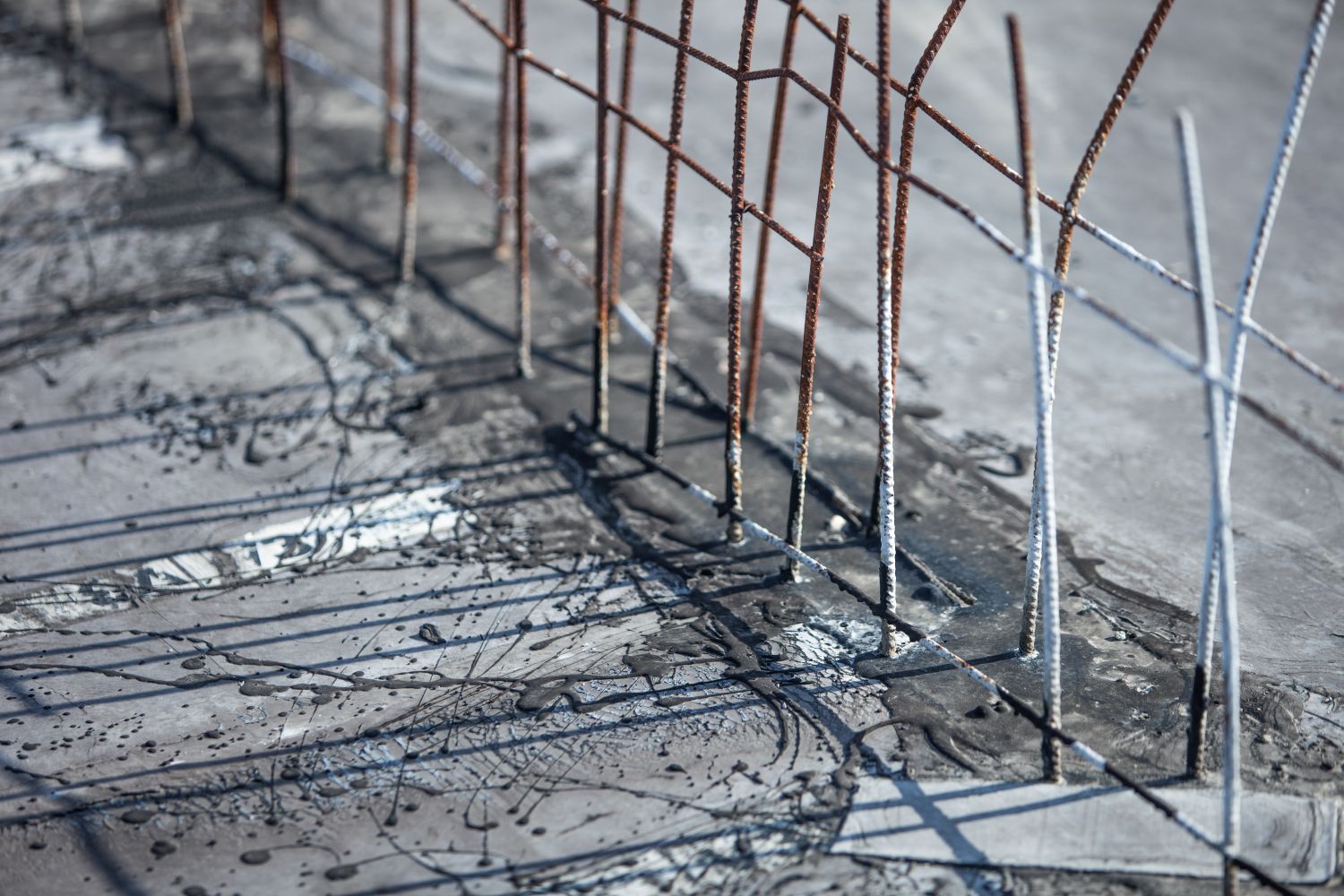
Steel reinforcement bars (rebar) are embedded within the concrete to enhance its tensile strength. Concrete alone is strong in compression but weak in tension, which is where rebar comes in. The combination of concrete and steel creates a material that can withstand various stresses and loads.
C. Types of Reinforcement
- Rebar: The most common form of steel reinforcement, available in various sizes and grades.
- Wire Mesh: Used to provide additional tensile strength, often in slabs and pavements.
- Fiber Reinforcement: Synthetic or natural fibers can be added to concrete to improve toughness and reduce cracking.
2. Strengths of Reinforced Concrete
A. High Compressive Strength
Reinforced concrete possesses excellent compressive strength, making it suitable for bearing heavy loads. This characteristic allows it to be used in various structural applications, including bridges, buildings, and foundations.
B. Durability
Reinforced concrete is highly durable and resistant to environmental factors such as moisture, fire, and chemicals. Properly designed and maintained reinforced concrete structures can last for decades, reducing the need for frequent repairs or replacements.
C. Versatility
Reinforced concrete can be molded into various shapes and sizes, allowing for creative architectural designs. Its versatility makes it suitable for a wide range of applications, from residential homes to large-scale infrastructure projects.
D. Cost-Effectiveness
Compared to other construction materials, reinforced concrete is often more cost-effective due to its availability and low maintenance requirements. It can provide long-term savings in both construction and operational costs.
3. Limitations of Reinforced Concrete
A. Tensile Weakness
While reinforced concrete excels in compression, it is still relatively weak in tension compared to other materials like steel. This limitation necessitates careful design and engineering to ensure that tensile stresses are adequately managed.
B. Weight
Reinforced concrete can be heavy, which may require additional structural support in certain applications. This weight can impact foundation design and construction costs.
C. Cracking
Although reinforced concrete is designed to resist cracking, it can still experience fissures due to shrinkage, temperature changes, or excessive loads. Proper design and construction techniques are essential to minimize the risk of cracking.
D. Environmental Impact
The production of cement, a primary component of concrete, contributes to carbon emissions. While reinforced concrete is durable, the environmental impact of its production is a consideration for sustainable construction practices.
4. Structural Nuances
A. Design Considerations
Designing reinforced concrete structures requires a thorough understanding of load-bearing capacities, reinforcement placement, and environmental factors. Engineers must consider factors such as:
- Load Types: Dead loads (permanent/static loads) and live loads (temporary/dynamic loads) must be accounted for in the design.
- Reinforcement Placement: Proper placement of rebar is crucial for ensuring that the concrete can withstand tensile forces.
B. Construction Techniques
Various construction techniques can affect the performance of reinforced concrete:
- Formwork: The quality and design of formwork influence the final shape and finish of the concrete.
- Curing: Proper curing techniques are essential for achieving the desired strength and durability of the concrete.
C. Maintenance and Inspection
Regular maintenance and inspection of reinforced concrete structures are vital for ensuring their longevity. Look for signs of wear, such as cracking or spalling, and address any issues promptly to maintain structural integrity.
5. Conclusion
Reinforced concrete is a fundamental material in modern construction, offering a blend of strength, durability, and versatility. Understanding its strengths and limitations, along with the necessary design and construction considerations, is essential for anyone involved in the building process. By embracing the nuances of reinforced concrete, engineers and builders can create structures that not only stand the test of time but also meet the evolving needs of society. As we continue to innovate in construction practices, reinforced concrete will remain a cornerstone of architectural and engineering excellence.